When eosinophil progenitors in the bone marrow mature, they are released into the circulation and migrate to sites of inflammation, such as the airway tissue.13,36
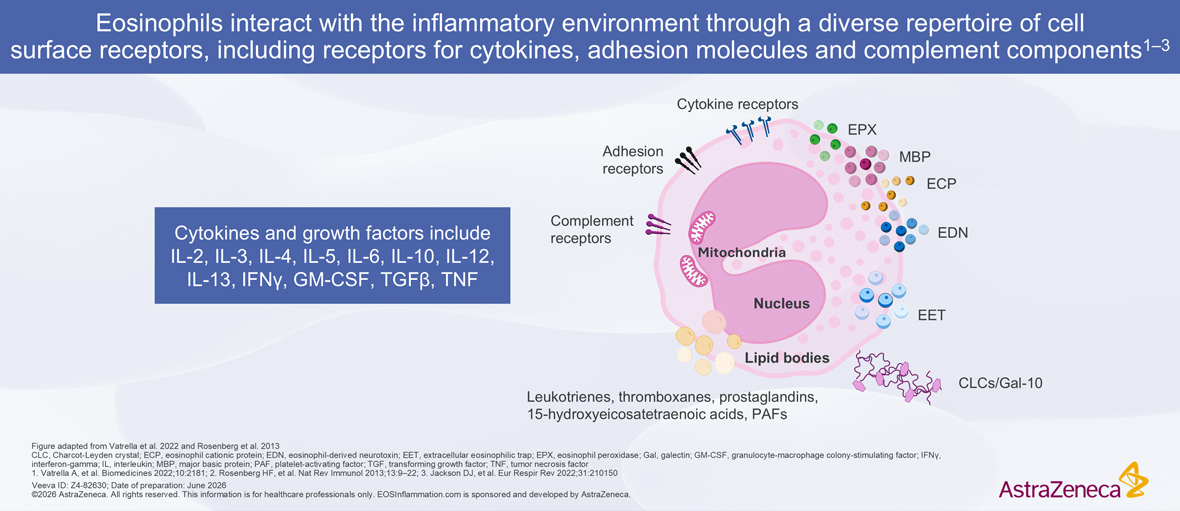
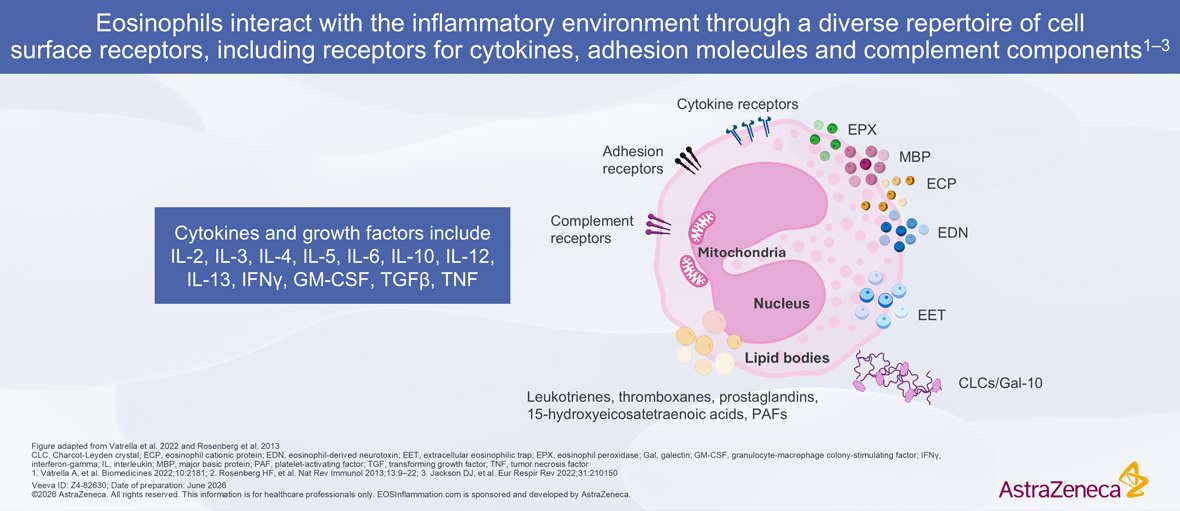
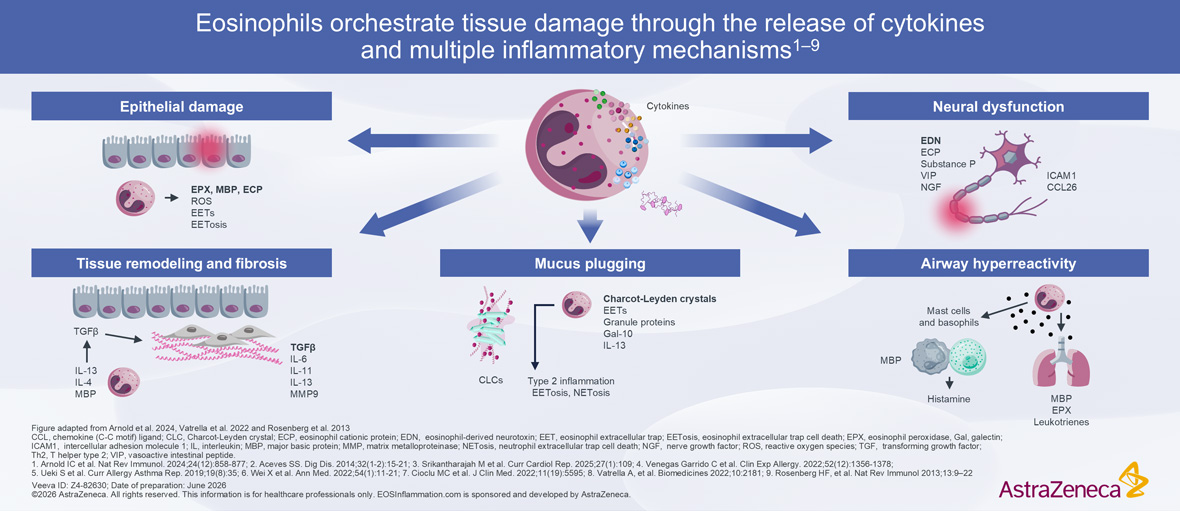
Eosinophils are key effector cells within the inflammatory cascade and can contribute to tissue damage through a complex network of cellular interactions and cytokine signaling.13,36–41 Increases in recruitment to tissue, differentiation, activation, and survival of eosinophils can occur under the influence of several cytokines, including IL-3, IL-5, and GM-CSF.4,5,11
Once present in the affected tissue, eosinophils can play an important role as pathogenic cells and contribute to:
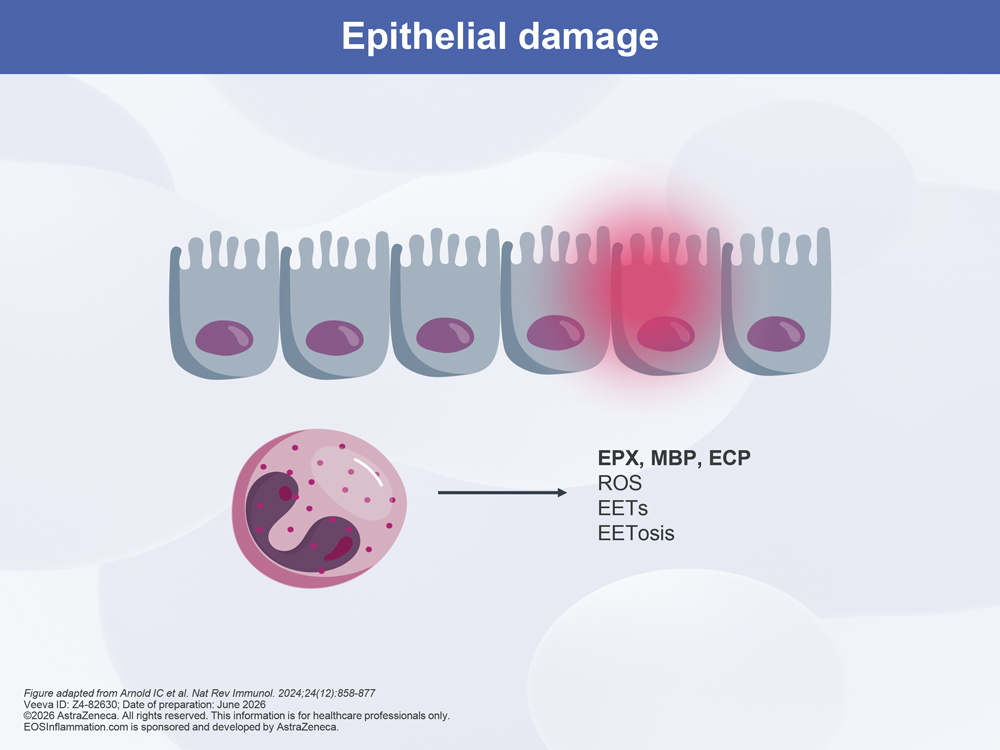
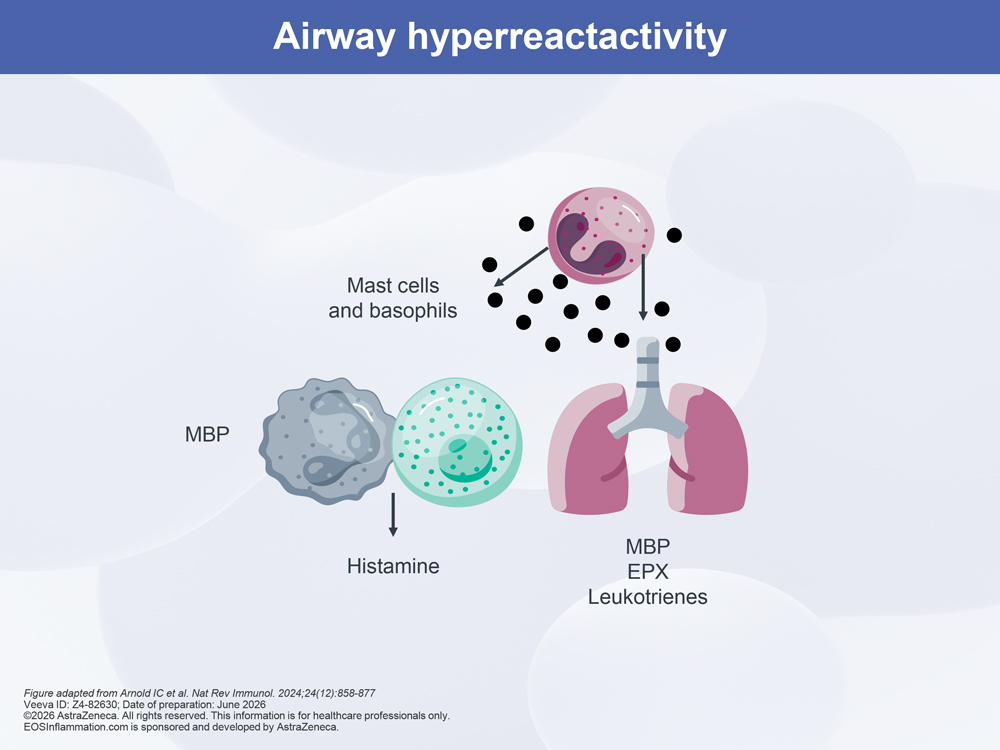
- A perpetuated cycle of amplified inflammation, resulting in further epithelial damage and release of epithelial-derived cytokines, which can in turn activate eosinophils36,38
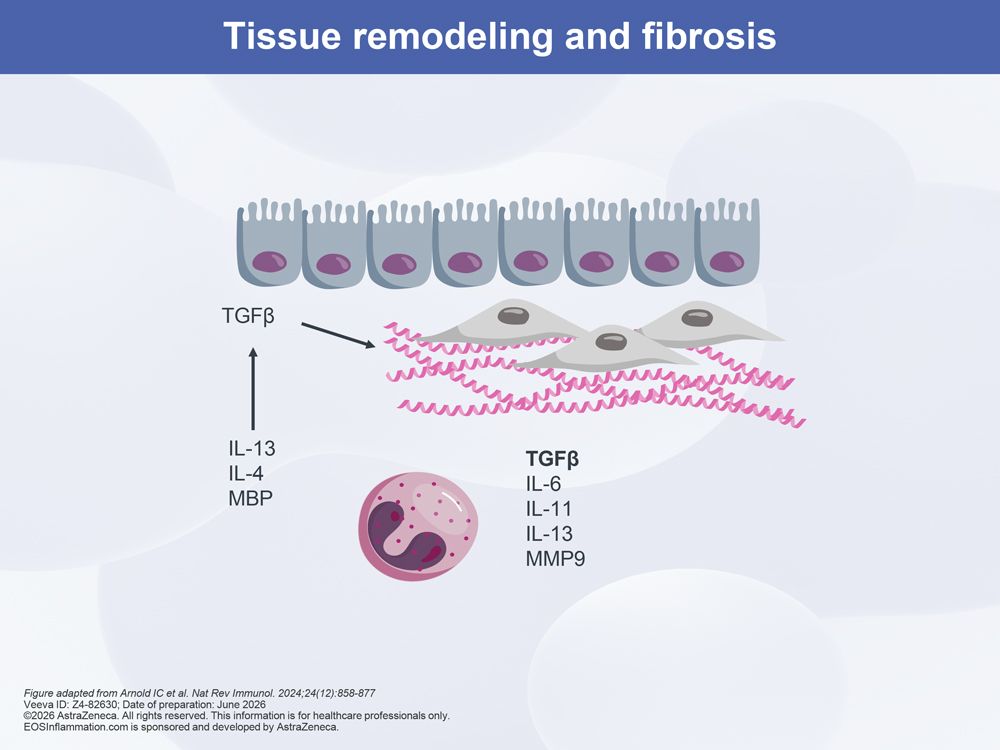
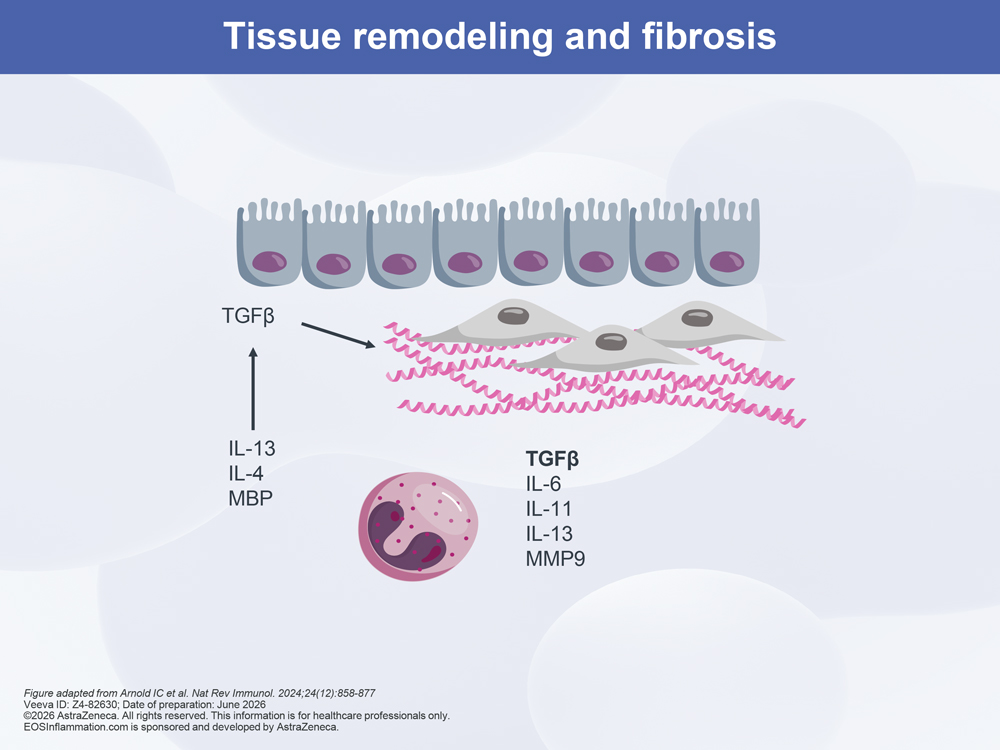
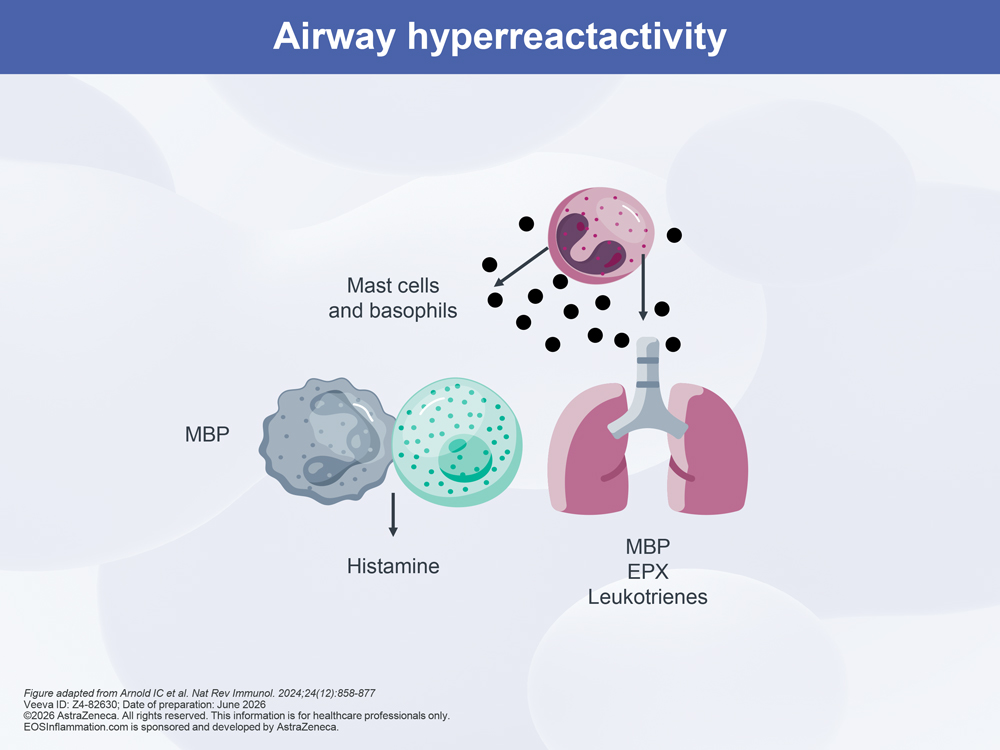
- Heightened airway remodeling and hyperresponsiveness37
- Enhanced mast cell activation and survival, resulting in additional release of inflammatory mediators, including histamines, prostaglandins, and cytokines, into the local environment36
- IL-5 production via autocrine signaling, resulting in amplification of downstream eosinophil effects41
- T-cell proliferation, differentiation, and apoptosis36
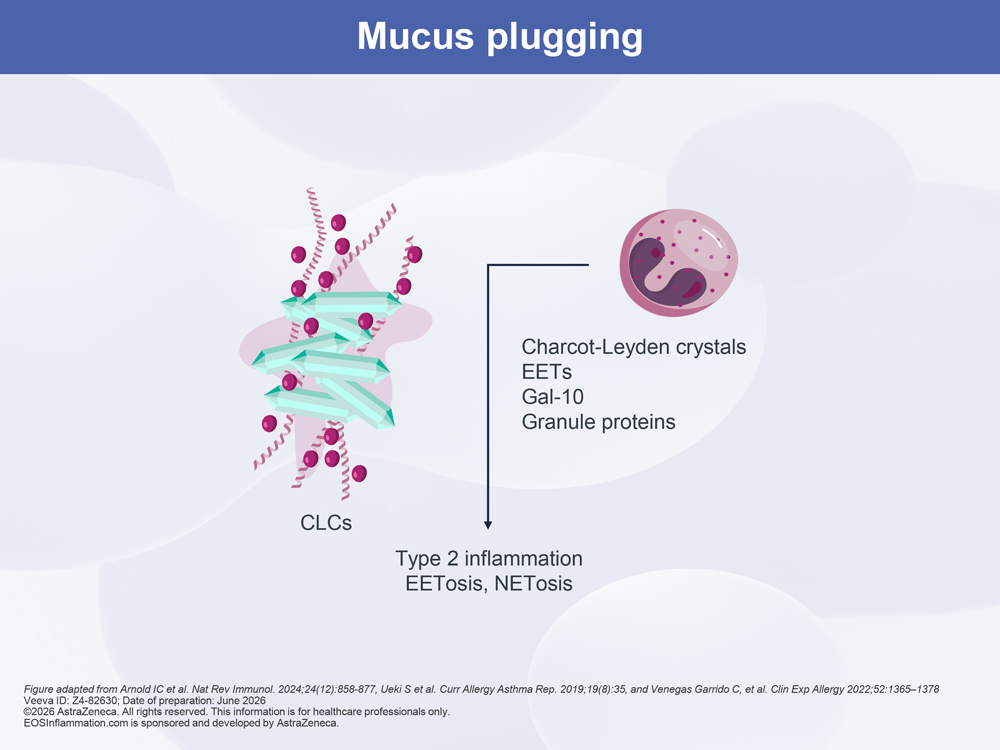
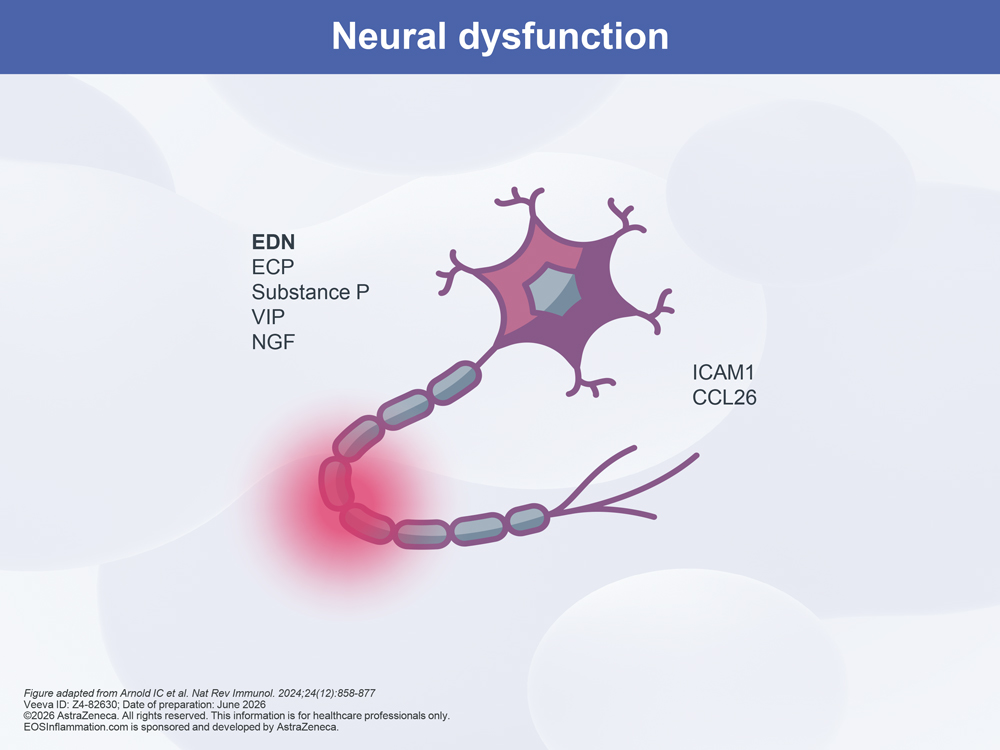
Through these interconnected pathways, eosinophils can become key drivers of tissue damage and dysfunction in disease.13,36–39,41 Eosinophil levels
have been found to be raised across a heterogenous range of eosinophil-associated diseases, including SEA, EGPA, HES, IBD, atopic dermatitis, and CRSwNP.1,42–44